
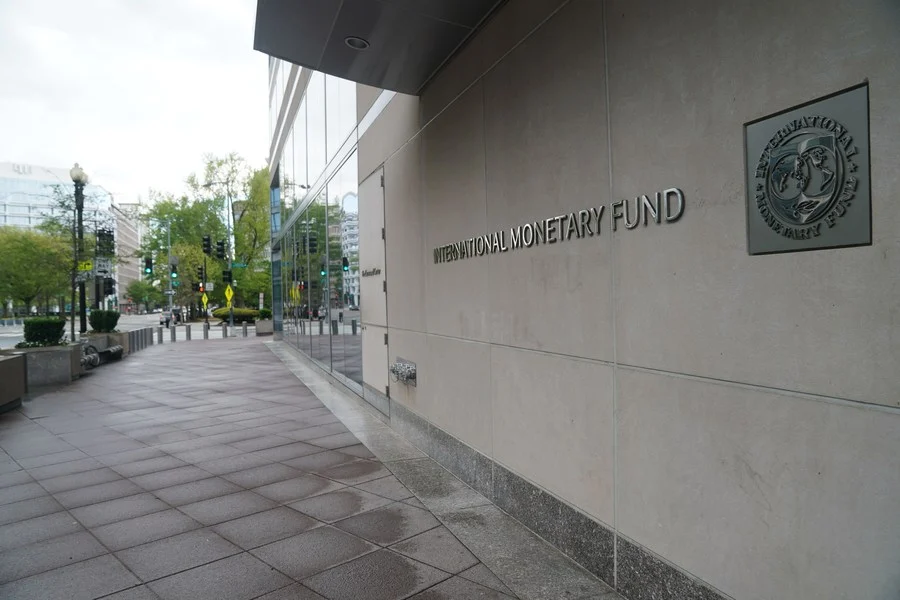
Kenya faces growing pressure to manage its public debt after the International Monetary Fund (IMF) warned that rising global borrowing costs could make it more expensive for African governments to refinance loans.
The warning comes as Kenya prepares to handle KSh1.7 trillion in public debt repayments due before June 2027, adding to the financial challenges facing the National Treasury.
According to recent debt management figures, the amount represents approximately 12.7 per cent of Kenya’s total public debt of KSh13.2 trillion.
Of the KSh1.7 trillion, about KSh1.06 trillion is principal that must be repaid or refinanced, meaning the government will need to raise substantial funds to meet its obligations.
Why the IMF Is Raising Concerns
The IMF has warned that although African countries have made progress in reducing the additional interest investors demand when lending to them, rising global benchmark interest rates are offsetting some of those gains.
Zeine Zeidane, director of the IMF’s African Department, said international borrowing costs were increasing despite improved access to financial markets.
Higher yields on US government bonds can push up the cost of borrowing for countries such as Kenya because international investors use them as a benchmark when pricing loans and government bonds.
For Kenya, this creates a challenge when existing debt matures. If the government replaces older loans with new borrowing at higher interest rates, future debt-servicing costs could increase.
Kenya Faces a Major Debt Repayment Challenge
The KSh1.7 trillion repayment obligation comes at a time when the government is balancing debt payments against spending on infrastructure, healthcare, education and other public services.
The Treasury has budgeted approximately KSh2.32 trillion for debt servicing during the 2026/2027 financial year, including interest payments and principal repayments.
A substantial share of government revenue already goes towards servicing debt, leaving less room for other priorities.
The government can manage some domestic repayments by issuing new Treasury bills and bonds to replace maturing securities. However, this approach can increase refinancing risks, particularly when short-term borrowing becomes more expensive.
The Treasury has also used bond switches and buybacks to spread repayment obligations over longer periods and reduce the amount of debt falling due at once.
IMF Financing Remains Uncertain
Kenya has also been exploring alternative sources of financing following the collapse of its previous IMF programme in 2025.
Central Bank of Kenya Governor Kamau Thugge said on October 16 that the country was pursuing fresh multilateral financing from institutions including the World Bank and the African Development Bank to support the current financial year’s budget.
A new IMF programme could provide access to concessional financing and help reduce reliance on more expensive borrowing, although no replacement programme had been announced at the time of the latest reports.
The timing of any new financing remains important as Kenya approaches the 2027 General Election, with the government needing to meet its obligations while controlling the cost of borrowing.
What the Debt Pressure Means for Kenyans
Higher borrowing costs could leave the government with less money available for development projects and essential public services.
The government also faces difficult choices when raising additional revenue or reducing expenditure, as higher taxes and spending cuts can put pressure on households and businesses.
However, the IMF’s warning does not mean Kenya has defaulted on its debt. It highlights the financial risks associated with refinancing large amounts of maturing obligations in an environment of rising global interest rates.
The coming months will be important as the Treasury works to secure affordable financing, manage repayments and limit the impact of debt-servicing costs on the national budget.