
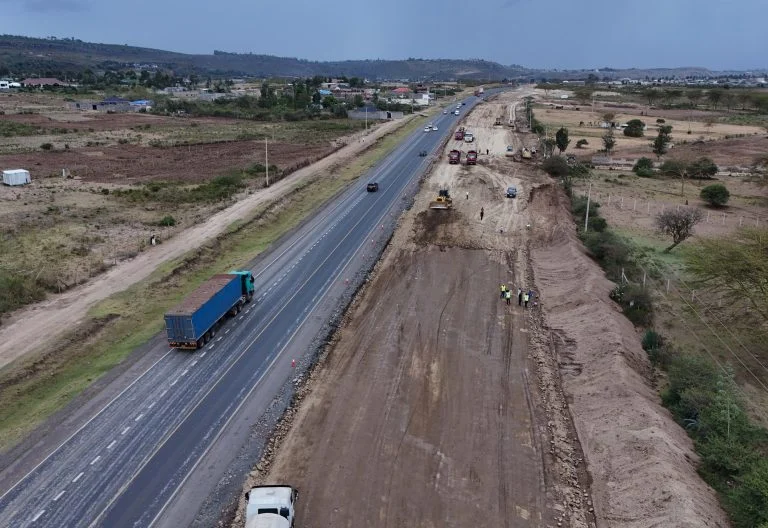
Motorists using the busy James Gichuru–Rironi road could soon face additional travel costs under a government proposal to introduce toll charges along the 25-kilometre route west of Nairobi.
The National Treasury has advanced plans to bring in a private operator to complete outstanding construction works, manage the road and oversee its long-term maintenance through a public-private partnership (PPP) arrangement.
According to the Treasury’s latest quarterly PPP status report, the project note received approval in September 2026, paving the way for further steps towards selecting a private partner.
However, the government has not announced the proposed toll rates or when motorists would begin paying to use the road.
Which Motorists Could Be Affected?
The proposed toll road stretches from James Gichuru Junction near Westlands and ABC Place through Kangemi, Uthiru, Kinoo and Gitaru before reaching Rironi, where it connects to the Nairobi–Nakuru highway.
Residents who regularly commute between these areas and Nairobi could be among those affected if tolling is introduced.
Public service vehicle operators and businesses transporting goods along the route could also face additional expenses. Depending on the final charges, operators might factor the extra costs into fares and delivery prices.
The impact will depend on how the toll system is designed, including the rates charged for different vehicle categories and whether frequent users receive any concessions.
Details about alternative routes that motorists could use without paying tolls have not yet been confirmed.
Why the Government Wants to Introduce Tolls
The government says the proposed arrangement would help complete unfinished construction work while establishing a sustainable system for operating and maintaining the road.
Construction began in August 2017, but the project experienced delays linked to funding and land acquisition challenges. The initial cost estimates ranged between KSh16 billion and KSh18.7 billion, while the project cost later rose to approximately KSh20 billion.
Some works, including footbridges and finishing activities, remain outstanding.
The proposed private-sector arrangement is intended to help finance the remaining work and recover the investment through toll revenue over an agreed period.
The government is increasingly considering public-private partnerships to finance infrastructure projects as pressure on public finances limits the amount available for road development.
Will the Road Become Faster to Use?
The road expansion was designed to increase capacity by providing additional carriageway lanes, service roads and improved drainage.
The Kenya National Highways Authority (KeNHA) has previously indicated that the improvements aim to reduce travel time between James Gichuru Junction and Rironi from approximately one hour to 30 minutes.
If completed as planned, the upgrades could improve traffic flow for commuters and long-distance transport operators.
However, motorists will want to know whether the time saved and improvements in road conditions will justify any additional charges.
What Happens Next?
The approval of the project note is an early step in the process. A private operator still needs to be selected, and the final arrangements must establish the terms of the contract and how tolling will work.
The government has not yet published the proposed rates, the contract duration or a confirmed date for the start of toll collection.
For motorists, the key question is how much daily travel could cost if the proposal moves forward.
Until the government releases those details, the plan remains a proposal rather than an active tolling system on the James Gichuru–Rironi road.