
The Kenya Revenue Authority (KRA) has announced a major overhaul of its electronic cargo tracking system, directing importers, exporters and transporters to prepare for new changes taking effect on October 26, 2026.
In a public notice issued on Friday, October 16, KRA said it would stop using its government-owned electronic seals for tracking dry cargo and motor vehicles from the deadline as it transitions to a new system involving approved private vendors.
The changes will be implemented under the Multi-Vendor User-Owned Framework of the Regional Electronic Cargo Tracking System (RECTS).
Under the new arrangement, businesses will be required to obtain electronic tracking seals from vendors approved by KRA. This marks a shift from the previous system, where the authority provided the tracking devices itself.
KRA said the new framework would allow importers, exporters, transporters, clearing and forwarding agents, and bonded warehouse operators to select their preferred service providers.
The arrangement will operate through commercial agreements between the approved vendors and the businesses using their services.
KRA Issues Deadline Ahead of System Changes
The authority has urged all affected stakeholders to make the necessary preparations before October 26 to avoid possible disruptions in tracking goods moving under customs control.
After the deadline, electronic monitoring of dry cargo and motor vehicles will be conducted exclusively through devices supplied by approved vendors.
However, KRA clarified that electronic fuel seals used to monitor wet cargo would be phased out gradually rather than discontinued immediately on October 26.
The authority said the list of approved vendors could be accessed through its official website. Stakeholders may also request the information by emailing the Cargo Monitoring Unit at cmu@kra.go.ke or visiting its offices on the 13th floor of Times Tower in Nairobi.
Why KRA Is Changing the Cargo Tracking System
The overhaul is part of efforts to improve cargo monitoring services and address challenges associated with the existing arrangement.
The new model is also intended to improve access to electronic tracking devices, support port decongestion and give businesses more flexibility when choosing service providers.
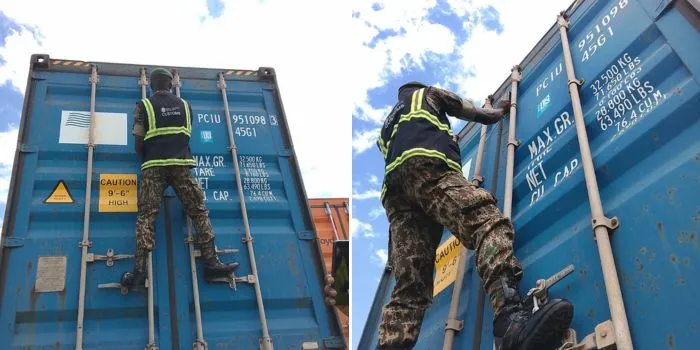
Electronic cargo seals help customs authorities monitor the movement of goods and ensure compliance with customs requirements during transportation.
The changes will affect businesses handling goods under customs control, including cargo transported across borders and along designated transit routes.
KRA has therefore advised importers, exporters, transporters and other industry players to familiarise themselves with the new framework and arrange for the required tracking devices ahead of the October 26 deadline.
The transition will change how electronic seals are supplied and obtained, while electronic monitoring of goods under customs control will continue under the new system.