
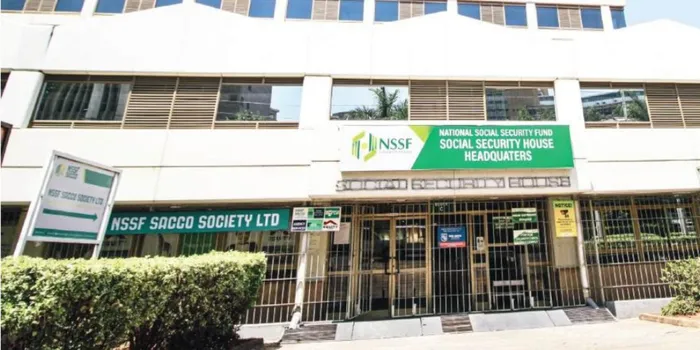
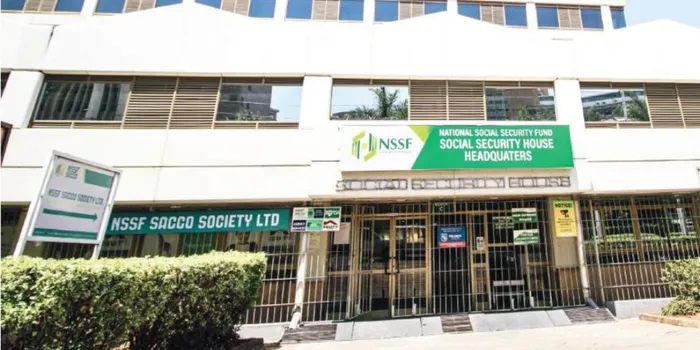
The Supreme Court of Kenya has overturned a KSh103.4 million compensation award that had been granted against the National Social Security Fund (NSSF) following a prolonged legal dispute involving a cancelled security surveillance contract.
In a judgment delivered on Friday, October 30, 2026, a five-judge bench led by Chief Justice Martha Koome ruled that a private company seeking compensation had failed to provide sufficient evidence to support its claim for anticipated profits.
The dispute dates back to 2011 when NSSF awarded the company a KSh244.8 million tender to install CCTV cameras and access control systems at Social Security House in Nairobi.
The two parties signed an agreement in April 2011, with the contract also providing for annual maintenance payments of KSh15 million after the expiry of a two-year warranty period.
However, the project never commenced after NSSF failed to hand over the site to the contractor. In May 2012, the Fund informed the company that it could not proceed with the project due to budgetary constraints.
The decision prompted the company to file a lawsuit against NSSF, seeking compensation for the alleged breach of contract.
In April 2020, the High Court awarded the company KSh16.06 million but rejected its claim for KSh103.4 million in anticipated profits, describing the financial projections as speculative and inadequately supported.
The company subsequently appealed the decision and secured a major victory at the Court of Appeal, which awarded it approximately KSh112.5 million in April 2024.
The award included KSh103.4 million in anticipated profits and approximately KSh9.06 million in other expenses.
Unhappy with the decision, NSSF moved to the Supreme Court, challenging the compensation award.
Why the Supreme Court Overturned the KSh103 Million Award
In its determination, the Supreme Court identified inconsistencies in the financial evidence presented by the company to justify its anticipated profits.
The judges noted that the company’s managing director had estimated the expected profits at approximately KSh26 million, while an accountant’s report placed the figure at KSh103.4 million without adequately explaining the difference.
The court also questioned the use of unverified financial information in the accountant’s report, particularly projections involving five years of maintenance income without evidence that the company was guaranteed the work for that period.
Additionally, the judges observed that the original agreement allowed NSSF to terminate the contract by issuing one month’s written notice.
The five-judge bench concluded that the evidence presented did not provide a sufficiently reliable basis for awarding the KSh103.4 million in anticipated profits.
Consequently, the Supreme Court set aside the contested compensation award, handing NSSF a major legal victory in the long-running dispute.
The ruling also clarifies the legal requirements businesses must meet when seeking compensation for profits they expected to earn from contracts that were cancelled or breached.
The court emphasised that such claims must be supported by reliable evidence demonstrating that the anticipated profits would probably have been earned.