
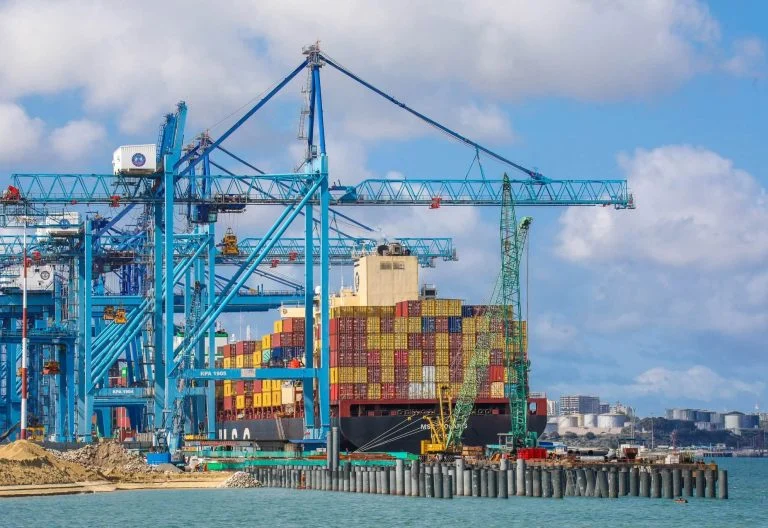
Kenya is expecting six oil tankers at the Port of Mombasa over the coming two weeks as the country monitors fuel shipments amid rising prices and concerns over international supply disruptions.
The Kenya Ports Authority (KPA) announced on Wednesday, October 21, 2026, that 51 vessels are expected at the ports of Mombasa and Lamu during the period.
Mombasa is scheduled to receive 41 ships, including six oil tankers, 26 container vessels, seven conventional cargo ships and two car carriers. Lamu is expected to handle the remaining 10 vessels.
The planned arrivals come amid heightened concern over petroleum shipments after two tankers destined for Kenya were reportedly hit by drone attacks, raising questions about the security of international shipping routes.
Two Kenya-bound tankers reportedly hit
Energy and Petroleum Regulatory Authority (EPRA) Director General Edward Kinyua recently told a parliamentary committee that two vessels carrying petroleum products for Kenya had sustained engine damage following drone attacks.
However, Kinyua said the petroleum products aboard the vessels remained safe.
The incidents have drawn attention to shipping risks around the Strait of Hormuz, a key route for global energy supplies. Continued disruption could delay deliveries and increase transport costs for imported petroleum products.
KPA’s latest schedule, however, does not confirm whether the six expected tankers are connected to the shipments affected by the reported attacks.
Fuel prices remain a concern
The expected vessel arrivals come as Kenyans face higher pump prices following EPRA’s latest review for the period running from October 15 to November 14, 2026.
In Nairobi, super petrol increased by KSh12.93 to KSh226.96 per litre, while diesel rose by KSh9.90 to KSh227.76. Kerosene recorded a larger increase of KSh28.49, reaching KSh219.87 per litre.
The increases followed higher average landed costs of imported petroleum products in September, adding pressure to households, transport operators and businesses that depend on fuel.
Fuel prices also affect the cost of transporting food and other goods, meaning prolonged supply disruptions could have wider economic consequences.
KPA’s shipping schedule provides an update on expected port activity, but the arrival of the six tankers alone does not guarantee an immediate reduction in pump prices.
The development will therefore be closely watched as Kenya continues to rely on imported petroleum products to meet its energy needs.