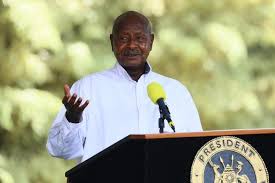
President Yoweri Museveni signed the Uganda People’s Defence Forces (Amendment) Act, 2025 into law on June 16, weeks after Parliament passed the bill in late May.
The legislation reinstates the controversial authority of military courts to prosecute civilians under specific circumstances—namely, when civilians are accused of possessing military equipment such as uniforms, weapons, or colluding with servicemen in serious offences including treason, murder, or politically motivated armed violence.
Opposition MPs staged a walkout during the May 20 parliamentary session, condemning the bill as “rushed and draconian,” a sentiment echoed by human rights groups who argue it flouts the January 31 Supreme Court ruling that deemed such trials unconstitutional.
President Museveni and military officials rebut these criticisms, asserting the reforms are necessary to deter militant political formations and ensure national security.
Under the new law, military trials for civilians will be overseen by legally qualified judges, including those appointed at the High Court level, and feature a defined appellate chain—from Unit Court Martial to the Supreme Court.
The law also formalises the Directorate of Military Prosecutions and expands military jurisdiction. Supporters within the Uganda People’s Defence Forces claim the reforms will streamline justice, particularly in dealing with armed criminality and misuse of military gear.
However, the Uganda Law Society and several civil society organisations have vowed legal action, challenging the new provisions as unconstitutional and a threat to judicial independence .
With general elections scheduled for 2026, critics argue this development signals an intensification of militarized tactics to suppress dissent and tighten control over political opponents like Kizza Besigye and Bobi Wine.
The stage is now set for another constitutional showdown. As the law takes effect, public attention and legal scrutiny are expected to ramp up, particularly around its enforcement and potential prosecutions of civilians.

Author: Bashir Juma
About The Author