
Public health facilities across Kenya are facing a critical crisis as stocks of essential contraceptives, including condoms and birth control pills, have run dry.
Six months after major donor funding—primarily from USAID—was suspended or frozen early last year, the country’s family planning system has plunged into freefall.
Healthcare workers report turning away desperate women seeking reproductive health services, with shelves once stocked with injectables, pills, and condoms now empty.
In many counties, even basic options like condoms are unavailable, forcing young men and women to leave without protection.
Health professionals describe women pleading for any available method to avoid unintended pregnancies, highlighting the heavy burden on vulnerable populations, especially in rural and low-income areas.
The shortage stems from Kenya’s heavy reliance on international donors for family planning commodities.
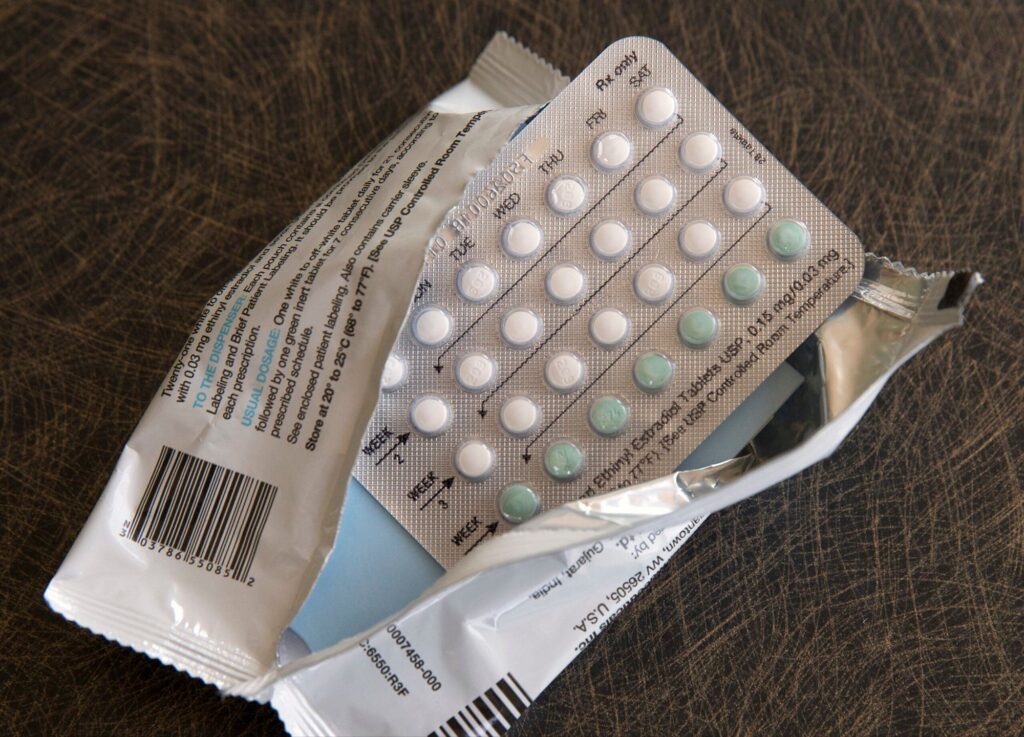
The withdrawal of funding has exposed deep vulnerabilities in the supply chain, reversing decades of progress in reducing unintended pregnancies, unsafe abortions, and maternal health risks.
While the government and organizations like UNFPA have provided limited support—covering only a fraction of needs—gaps persist, with projections warning of increased unintended pregnancies and health complications in 2026.
Counties now depend on well-wishers and philanthropic groups to bridge the shortfall. Experts urge urgent domestic investment and diversified funding to restore access and protect women’s reproductive rights.
Without swift action, the crisis threatens to undermine public health gains and place an even greater price on women and families.

Author: Bashirjuma
About The Author