
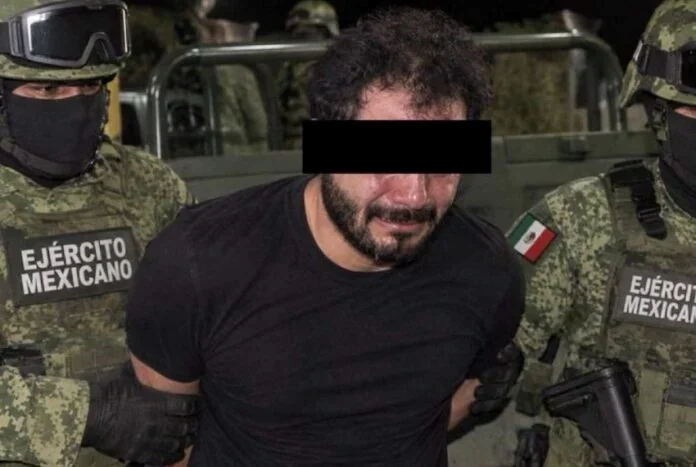
Mexican authorities eventually brought down notorious drug cartel leader Joaquín “El Chapo” Guzmán after years of investigations and repeated attempts to apprehend him, ending one of the most closely watched criminal manhunts in modern history.
Guzmán, who headed the powerful Sinaloa Cartel, became internationally notorious for his role in drug trafficking, organised crime and violence associated with the cartel’s operations.
His criminal network was linked to the movement of narcotics across international borders, particularly into the United States, where law enforcement agencies had spent years pursuing him.
The cartel boss was among the FBI’s most wanted fugitives and attracted enormous attention from law enforcement agencies in Mexico and the United States because of his influence over organised criminal networks.
His eventual arrest followed years of investigations and efforts by Mexican authorities, with international cooperation playing a significant role in the pursuit of major cartel figures.
Guzmán’s capture marked a major development in Mexico’s fight against organised crime, although authorities continued facing challenges dismantling the broader networks associated with the Sinaloa Cartel.
Following his arrest, he was eventually extradited to the United States, where he faced multiple criminal charges related to his leadership of the cartel and its drug trafficking activities.
His prosecution became one of the most prominent organised crime cases in recent years, highlighting the scale of international cooperation required to pursue powerful criminal organisations.
