
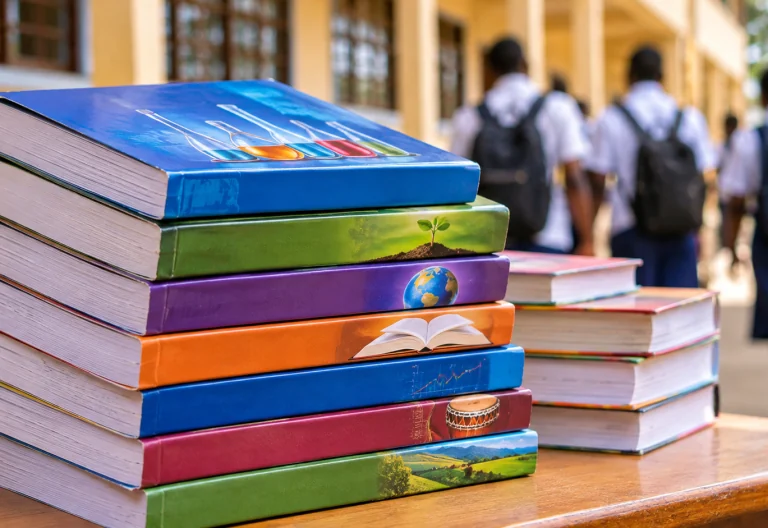
Kenya is facing the possibility of another textbook shortage as publishers contracted to produce Grade 11 learning materials slow down or suspend printing over approximately KSh7 billion owed by the government for previously supplied books.
The development has raised concerns about the preparedness of schools ahead of the January 2027 transition to Grade 11 under the Competency-Based Education (CBE) system.
According to the Kenya Publishers Association (KPA), only 30 per cent of the required Grade 11 textbooks had been printed by November 2026, leaving a significant portion of the work incomplete.
KPA Chairman Musyoki Muli confirmed that some publishers had reduced production while others had stopped printing altogether as they waited for outstanding payments.
He explained that publishers were at different stages of printing and supplying the learning materials to schools.
The government had reportedly committed to settling outstanding payments in November after releasing KSh2 billion, but publishers say a substantial balance remains unpaid.
The association is now hoping that the government will release the remaining KSh7 billion within the next two weeks to allow production and distribution to continue without further delays.
More Than One Million Textbooks Required
The Grade 11 textbook exercise involves approximately 1.02 million books covering compulsory learning areas.
Publishers are expected to distribute the 30 per cent already printed before the end of the year while completing production of the remaining materials in December.
However, the delays have raised questions about whether all schools will receive the required books before learners report for the new academic year.
The concern comes less than a year after the introduction of Grade 10, which was disrupted by textbook shortages that left thousands of learners without essential learning materials.
Some teachers were forced to rely on older 8-4-4 curriculum textbooks while waiting for the approved learning materials to arrive.
Government Faces Pressure Over Unpaid Publishers
The latest dispute has renewed pressure on the Ministry of Education and the National Treasury to clear outstanding payments to publishing companies.
Publishers argue that delayed payments affect their ability to finance printing operations and meet delivery deadlines, particularly when large quantities of textbooks are required within a short period.
The problem also exposes weaknesses in the government’s textbook procurement and distribution system, which has previously struggled to ensure that learning materials reach schools according to their actual needs.
An earlier audit by the Auditor-General identified cases where some schools received fewer textbooks than required, while others received excess copies.
The Kenya Education Management Information System (KEMIS) has also faced concerns over the accuracy of learner enrolment records, which are used to guide the allocation of educational resources.
Schools Fear Repeat of Grade 10 Textbook Shortages
Education stakeholders have warned that another delay could affect teaching and learning when Grade 11 classes begin in January 2027.
The Kenya Publishers Association says its immediate priority is to complete printing and ensure that available textbooks are distributed before the end of the year.
The government is expected to release the outstanding funds to help publishers resume full production.
With the Grade 11 transition approaching, parents, teachers and school administrators will be watching closely to see whether the Ministry of Education can resolve the funding challenge and prevent another disruption in the supply of learning materials.