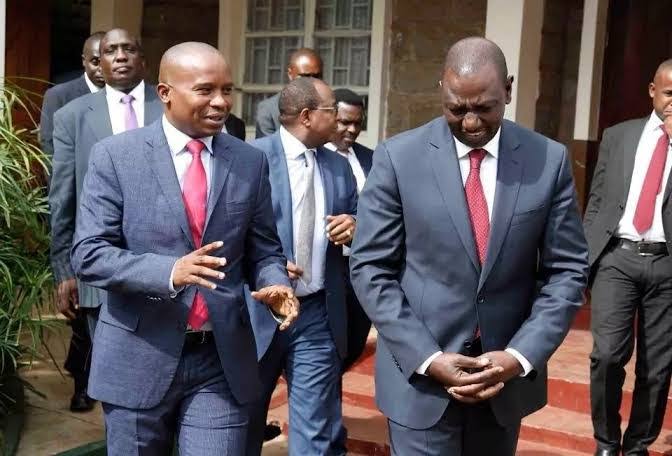
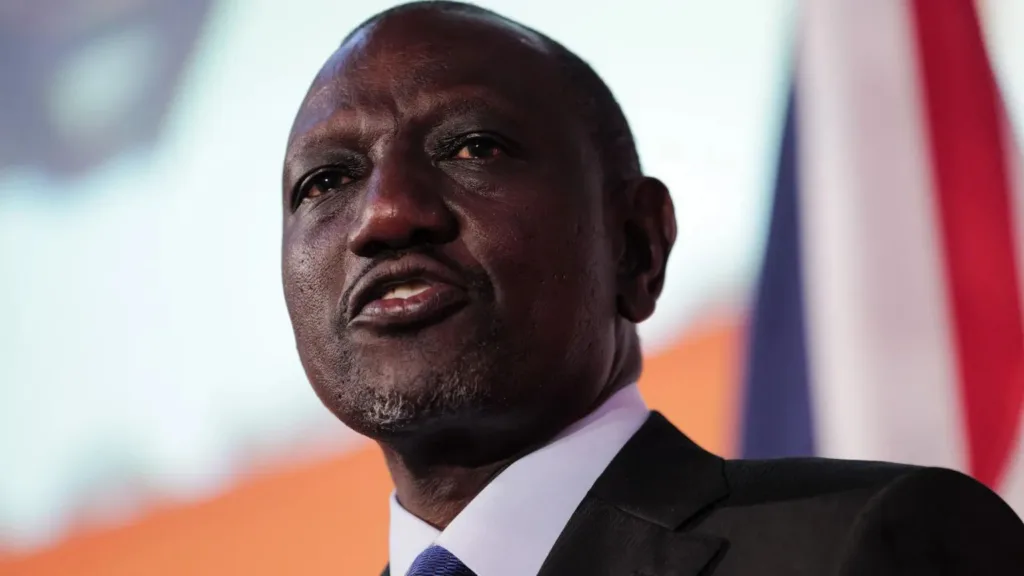
Since President William Ruto taking over the leadership of the country, he has been facing plenty of ups and downs.
Today, it was one of his low days as a significant ruling was delivered by High Court Judge Bahati Mwamuye.
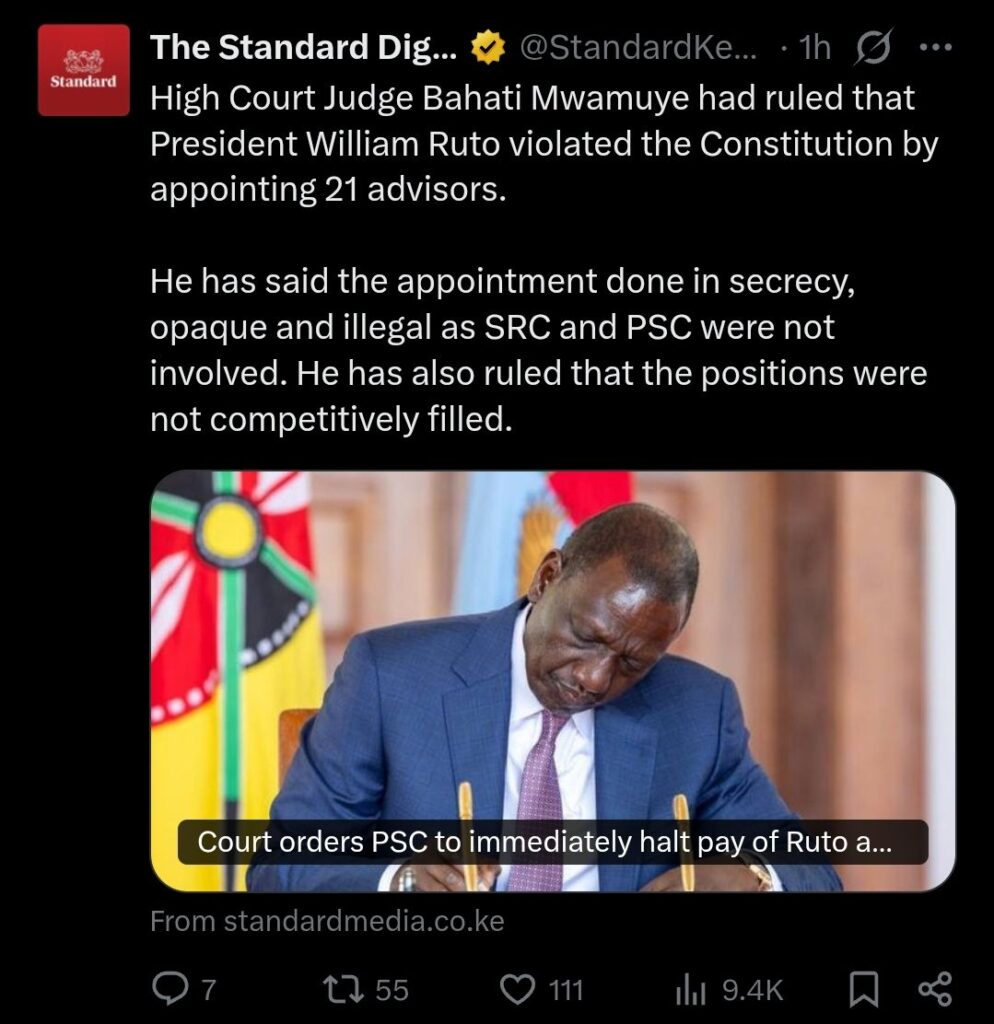
According to reports, Mwamuye declared that President William Ruto violated Kenya’s Constitution through the appointment of 21 presidential advisors.
The decision marks a major legal setback for the executive, highlighting breaches in public appointment processes.
The judge ruled that the creation of these advisory offices and the subsequent appointments were unlawful and opaque.
Key violations included bypassing the mandatory roles of the Public Service Commission (PSC) and the Salaries and Remuneration Commission (SRC), as required under the 2010 Constitution.
Article 132(4)(a) mandates PSC involvement in establishing public offices, while SRC oversees remuneration for state officers.
Justice Mwamuye emphasized that the process lacked transparency, public participation, and competitive recruitment, rendering it secretive and illegal.
The appointments were not subjected to open competition, further undermining constitutional principles of fairness and accountability in public service.
As a result, the court quashed the appointments, declaring them null and void from the outset (ab initio). All 21 advisors effectively lose their positions immediately.
The ruling also directs the PSC to halt any salary payments, benefits, or other emoluments to the affected individuals without delay.
This judgment stems from petitions challenging the executive’s unilateral actions in expanding advisory roles since 2022.
It reinforces the importance of constitutional checks and balances in appointments. While some government figures, including economic advisor David Ndii, have criticized the decision, it underscores ongoing tensions between the judiciary and executive over governance and fiscal responsibility.
The ruling could prompt appeals or reviews of similar executive structures, emphasizing adherence to due process in public office creation.

Author: Bashirjuma
About The Author