
The United States military has announced the killing of an Al-Qaeda–affiliated leader in northwest Syria, marking a significant development in Washington’s ongoing counterterrorism operations in the region.
According to U.S. forces, the militant figure was directly linked to a deadly ISIS ambush that resulted in the deaths of two American service members and a U.S. interpreter, an attack that underscored the persistent threat posed by extremist networks in Syria.
U.S. Central Command said the operation was conducted with precision, aimed at eliminating a high-value target while minimizing civilian casualties.
Although full details of the strike were not immediately disclosed, officials emphasized that the individual played a key role in coordinating or facilitating attacks against U.S. and allied forces operating in the region.
The mission reflects America’s continued reliance on targeted operations rather than large-scale troop deployments to counter terrorist organizations.
The killing highlights the complex and evolving nature of extremist alliances in Syria, where remnants of ISIS, Al-Qaeda affiliates, and other militant groups often overlap or cooperate despite ideological differences.
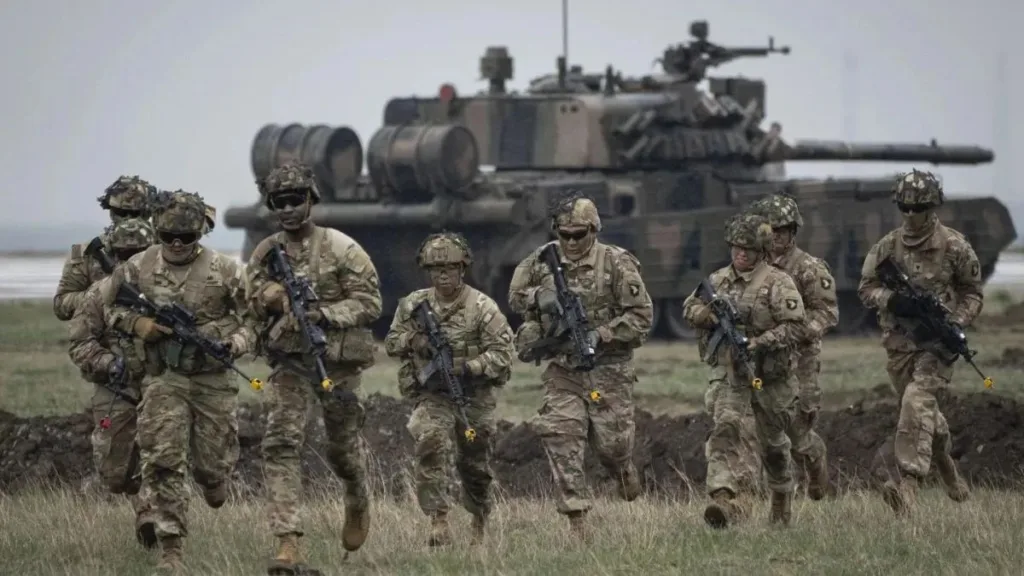
Security analysts note that such networks remain capable of launching deadly attacks even after years of sustained military pressure.
President Donald Trump’s administration has repeatedly stressed that protecting U.S. troops abroad remains a top priority.
The president has often pointed to successful counterterrorism strikes as evidence of a strong national security strategy focused on decisive action against America’s enemies.
While the operation is seen as a tactical success, experts caution that it does not signal the end of the terrorist threat.

Instead, it serves as a reminder of the long-term challenges facing U.S. forces as they seek to prevent extremist groups from regrouping and carrying out future attacks against American interests.

Author: Bashirjuma
About The Author