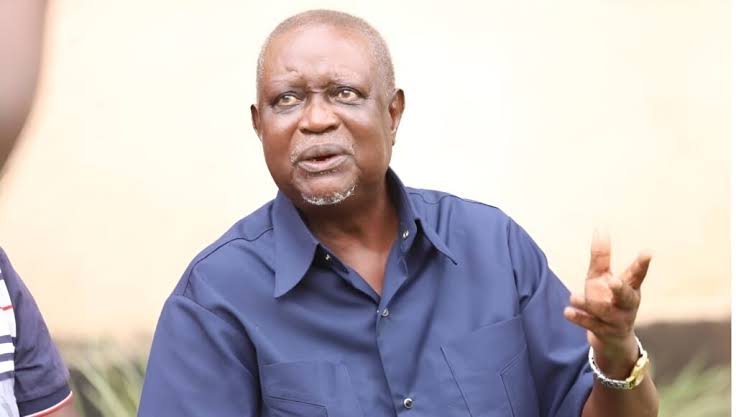
President William Ruto’s economic advisor David Ndii has defended the controversial involvement of Indian conglomerate Adani in the development of Kenya’s port infrastructure, clarifying that the nomination of the firm was not made by the Kenyan government but by the financiers.
In a statement shared on X (formerly Twitter), Ndii addressed growing public concerns about the transparency and competitiveness of the deal. “We did not nominate Adani. The financiers (UAE) did. They are shareholders,” he explained.
Ndii noted that such arrangements are not unusual, pointing to Chinese-funded projects in Kenya where Chinese companies are typically awarded contracts directly without competitive bidding.
Critics have raised concerns that bypassing open tendering undermines accountability and promotes favoritism. However, Ndii dismissed these claims, emphasizing the economic context in which the decision was made.

He pointed out that Kenya’s financial credibility was severely strained at the time: “Markets had priced default on our bonds. Where was a ‘winner’ going to raise debt?”
Ndii argued that under the financial constraints Kenya faced—especially with limited access to affordable credit—financier-driven partnerships were not only practical but necessary.
“Why not competitive?” he asked rhetorically, implying that the lack of viable alternatives made the current arrangement the best option available.
His remarks come amid heightened scrutiny of Kenya’s public-private partnerships and their long-term implications for sovereignty and national interest. Nonetheless, Ndii insists the government acted in the country’s best financial interest under challenging global economic conditions.

Author: Bashir Juma
About The Author